
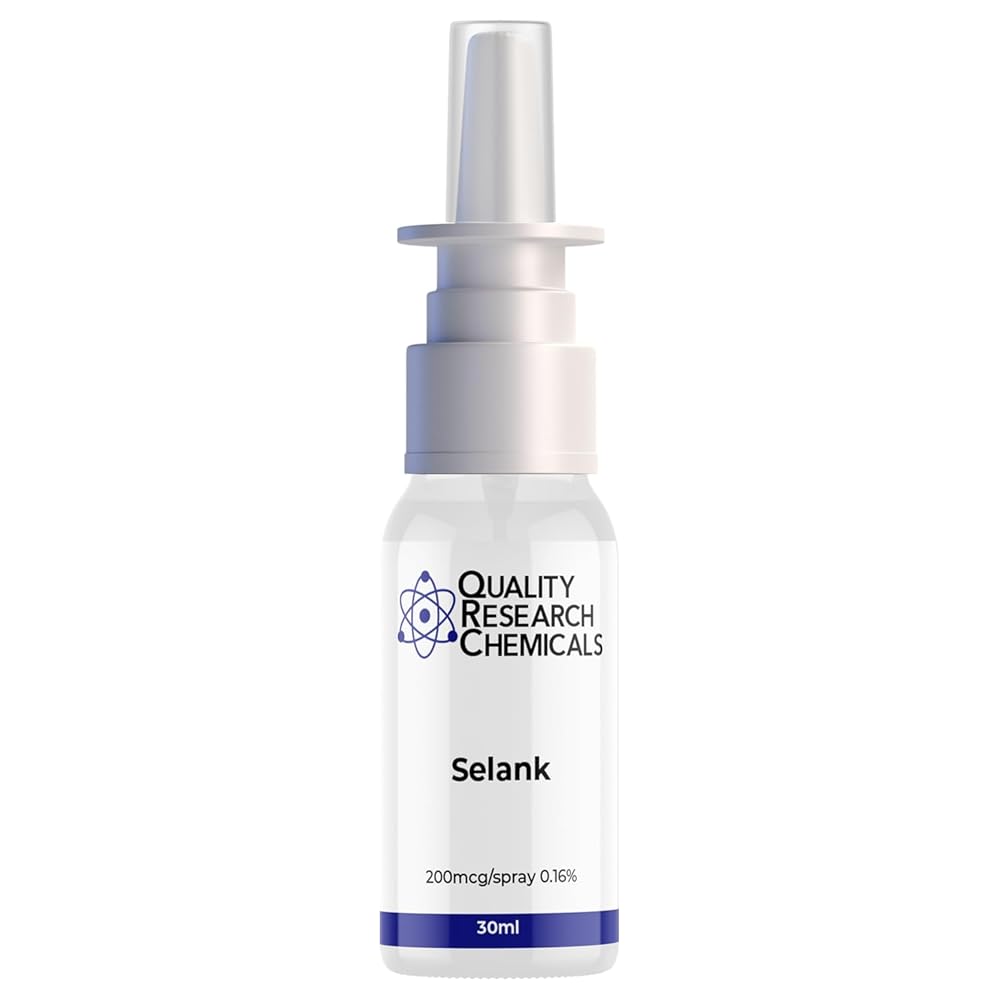
Selank (TP-7): A Comprehensive Guide to This Nootropic Peptide
About Selank (TP-7)
Selank, also known as TP-7 or sometimes spelled Selanc, is a synthetic peptide originally developed in Russia for its potential anxiolytic and nootropic properties. It is a heptapeptide derived from the naturally occurring immune peptide tuftsin, modified to enhance stability and effectiveness in the human body.
Selank has gained attention in scientific and wellness communities for its reported ability to support cognitive performance, emotional balance, and stress regulation without the sedative effects commonly associated with traditional anti-anxiety medications. Due to its peptide structure and mechanism of action, Selank is often discussed in research contexts focused on neuroscience, mental performance, and neurochemistry.
What Is Selank?
Selank is classified as a synthetic neuropeptide composed of seven amino acids. Its structure allows it to interact with the central nervous system, particularly in areas related to mood, memory, and stress response. Unlike many pharmaceutical compounds, Selank does not act as a depressant or stimulant, making it unique among cognitive-support substances.
In research settings, Selank is commonly studied for its interaction with GABAergic systems, which play a critical role in regulating anxiety and neural excitability. This has led to increased interest in Selank as a potential alternative approach to supporting mental well-being.
History and Development of Selank
Selank was developed in the late 20th century by Russian researchers seeking safer and more targeted treatments for anxiety and cognitive dysfunction. Traditional medications often caused dependency or unwanted side effects, prompting scientists to explore peptide-based solutions.
By modifying tuftsin, a peptide involved in immune regulation, researchers created Selank to improve resistance to enzymatic breakdown. This innovation allowed Selank to maintain its activity in the body longer, making it suitable for intranasal and other experimental delivery methods.
Over time, Selank became widely studied in Eastern Europe and later attracted global interest as peptide research expanded internationally.
How Selank (TP-7) Works
Selank’s mechanism of action is multifaceted and still under scientific investigation. However, studies suggest several key pathways:
Interaction with GABA Receptors
Selank is believed to modulate GABA (gamma-aminobutyric acid) receptors, which help calm neural activity in the brain. Unlike benzodiazepines, Selank does not directly bind in a way that causes sedation or dependence.
Influence on Neurotransmitters
Research indicates that Selank may influence levels of serotonin and dopamine, neurotransmitters associated with mood, motivation, and emotional stability.
Neuroprotective Activity
Selank has been studied for potential neuroprotective properties, meaning it may help protect neurons from stress-related damage under certain conditions.
Potential Benefits of Selank
While Selank is primarily discussed in research and educational contexts, it is often associated with the following potential benefits:
Cognitive Support
Selank is frequently described as a nootropic peptide, meaning it may support mental clarity, focus, and memory performance without overstimulation.
Stress and Anxiety Regulation
One of the most well-known areas of Selank research involves its potential anxiolytic effects. Users and researchers report a calming effect without drowsiness or mental fog.
Emotional Balance
By influencing neurotransmitter activity, Selank may help promote emotional stability and resilience during periods of psychological stress.
Mental Performance Under Pressure
Selank is sometimes studied for its potential to help individuals maintain cognitive performance in high-stress environments.
Selank vs Traditional Anxiety Treatments
A major reason Selank has gained attention is its contrast with conventional anxiety medications.
Traditional treatments may:
-
Cause sedation
-
Lead to tolerance or dependency
-
Impair memory or focus
Selank (TP-7), in comparison, is studied for:
-
Non-sedating properties
-
Minimal impact on motor function
-
No known dependency mechanisms in research settings
This difference has positioned Selank as a topic of interest in modern neuropharmacology research.
Forms and Research Use of Selank
Selank is most commonly encountered in research-grade formulations. In scientific studies, it has been explored through intranasal delivery due to its ability to cross the blood-brain barrier efficiently.
It is important to note that Selank is typically labeled “for research purposes only” in many regions and is not universally approved as a medical treatment. Regulatory status may vary depending on country and jurisdiction.
Safety and Research Observations
Available research suggests that Selank has a favorable safety profile when studied under controlled conditions. Unlike many psychoactive compounds, it has not been associated with significant toxicity or withdrawal effects in published studies.
That said, ongoing research is essential to fully understand long-term effects, optimal dosing parameters, and broader applications. Individuals interested in peptide science should rely on credible academic sources and professional guidance.
Legal and Regulatory Considerations
Selank’s legal status varies worldwide. In some countries, it is approved for limited medical use, while in others it remains a research compound. Because regulations differ, it is essential for researchers and institutions to comply with local laws and guidelines.
This variability also contributes to why Selank is often discussed in educational and scientific contexts rather than commercial medical claims.
Conclusion: Understanding Selank (TP-7)
Selank (TP-7), also known as Selanc, represents a fascinating development in peptide science and neuroscience research. Its unique ability to support cognitive function and emotional balance without the drawbacks of traditional medications has made it a subject of growing global interest.
While Selank continues to be explored primarily in research settings, its underlying mechanisms and reported effects highlight the potential of peptide-based approaches in understanding the brain and mental performance. As scientific studies progress, Selank remains an important compound in the evolving field of neuropeptide research



Reviews
There are no reviews yet.