
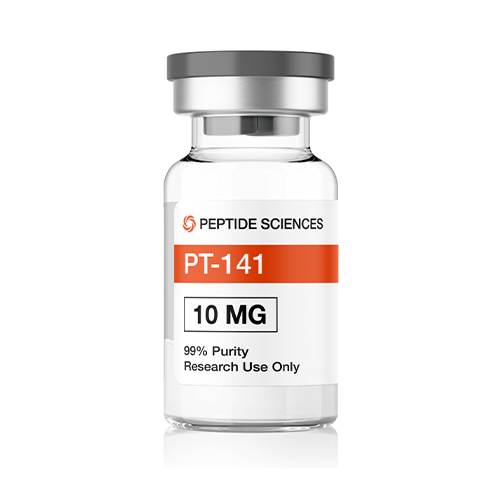
PT-141: About, Uses, Benefits, and Key Information
About PT-141
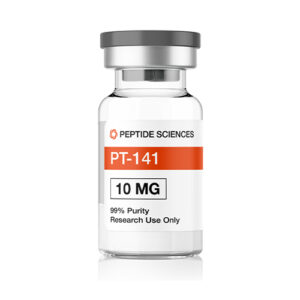
PT-141, also known as Bremelanotide, is a synthetic peptide that has gained attention for its potential role in supporting sexual health and overall well-being. Unlike many traditional treatments that act directly on blood flow, PT-141 works by stimulating specific pathways in the brain. This unique mechanism has made it a subject of growing scientific and medical interest.
Originally developed from research on melanocortin peptides, PT-141 was studied for various physiological effects before its influence on sexual desire was identified. Today, it is widely discussed in educational, clinical, and research contexts related to libido and sexual response in both men and women.
This page provides clear, factual information about PT-141, how it works, its potential benefits, and important considerations, following SEO best practices and responsible informational standards.
What Is PT-141?
PT-141 is a melanocortin receptor agonist, meaning it activates melanocortin receptors in the central nervous system. These receptors play a role in regulating mood, appetite, and sexual arousal.
Unlike medications such as sildenafil (which target blood vessels), PT-141 primarily affects the brain’s signaling pathways associated with desire and arousal. Because of this, it may be effective even when sexual dysfunction is not related to circulation issues.
PT-141 is commonly referenced in medical literature under its generic name Bremelanotide.
How PT-141 Works
PT-141 works by stimulating melanocortin receptors, particularly MC3 and MC4 receptors, located in the hypothalamus. These areas of the brain are involved in sexual motivation and response.
Key Mechanism of Action:
-
Acts on the central nervous system rather than peripheral blood flow
-
Enhances neural signaling associated with sexual desire
-
Does not rely on nitric oxide pathways
This brain-centered mechanism is what differentiates PT-141 from many conventional sexual health therapies and explains its broad interest across different populations.
Potential Benefits of PT-141
Research and clinical discussions suggest several potential benefits of PT-141 when used appropriately under medical supervision.
1. Support for Sexual Desire
PT-141 is most commonly associated with its potential to support sexual desire and arousal. It has been studied in both men and women experiencing reduced libido.
2. Works Independently of Blood Flow
Because PT-141 does not rely on vascular dilation, it may be relevant for individuals who do not respond well to traditional erectile or arousal medications.
3. Central Nervous System Action
Its ability to work at the brain level may offer a more holistic approach to sexual response, especially where psychological or neurological factors are involved.
4. Short Onset Window
Some studies indicate that PT-141 may begin to take effect relatively quickly compared to long-acting therapies, though response times can vary.
PT-141 and Women’s Sexual Health
PT-141 is particularly well-known for its research and approved use related to hypoactive sexual desire disorder (HSDD) in premenopausal women.
Unlike hormonal treatments, PT-141 does not directly alter estrogen or testosterone levels. Instead, it focuses on neural pathways, which may make it suitable for individuals seeking non-hormonal approaches to sexual wellness.
This aspect has positioned PT-141 as a significant topic in discussions about female sexual health and desire.
PT-141 and Men’s Sexual Health
In men, PT-141 has been studied for its role in enhancing sexual desire and response, including cases where traditional therapies may be ineffective.
Because it does not depend on vascular mechanisms, PT-141 may be discussed as an alternative or complementary approach in certain clinical scenarios, always under professional guidance.
Administration and Dosage Overview
PT-141 is typically administered via subcutaneous injection, although ongoing research continues to explore other delivery methods.
Important Notes:
-
Dosage varies based on individual factors
-
Should only be used under medical supervision
-
Not intended for daily continuous use unless directed by a healthcare provider
This article does not provide medical dosing instructions. Always consult a licensed professional for personalized guidance.
Possible Side Effects
As with many bioactive compounds, PT-141 may be associated with side effects in some individuals.
Commonly discussed effects include:
-
Temporary nausea
-
Flushing or warmth
-
Headache
-
Mild increases in blood pressure
Most reported side effects are short-lived, but individual responses can vary. Medical oversight is essential when considering PT-141.
Safety and Precautions
PT-141 should not be considered a casual supplement. It is a biologically active peptide that requires responsible handling and professional oversight.
Key Precautions:
-
Not suitable for individuals with uncontrolled hypertension
-
Not recommended during pregnancy or breastfeeding
-
Should not be combined with other medications without medical approval
Always disclose full medical history to a healthcare provider before use.
Research and Clinical Interest
PT-141 continues to be a subject of active research. Scientists are exploring its broader effects on motivation, mood, and neurological signaling beyond sexual health.
As peptide science evolves, PT-141 remains a notable example of how targeted neuropeptide pathways may influence complex human behaviors and responses.
Conclusion
PT-141 (Bremelanotide) is a unique peptide distinguished by its central nervous system action rather than peripheral blood flow effects. Its role in sexual desire and arousal has made it an important topic in modern discussions of sexual wellness for both men and women.
While research highlights promising potential benefits, PT-141 should always be approached with caution, accurate information, and medical supervision. Understanding how it works, who it may be suitable for, and the importance of safety is essential for responsible consideration.
Reviews
There are no reviews yet.