
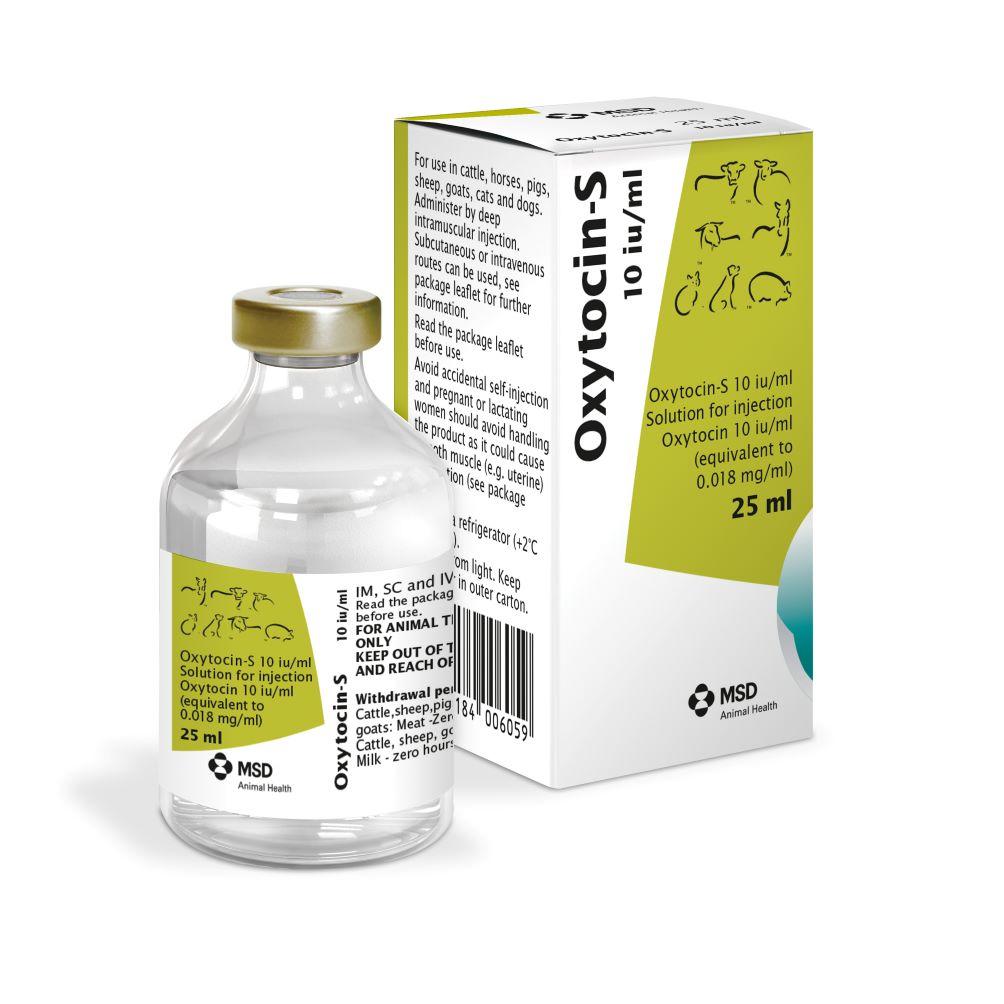
Oxytocin: The Love Hormone That Shapes Human Connection
About Oxytocin
Oxytocin is a naturally occurring hormone and neurotransmitter that plays a vital role in human bonding, emotional regulation, and social behavior. Often referred to as the “love hormone” or “bonding hormone,” oxytocin is released during moments of intimacy, trust, childbirth, breastfeeding, and positive social interaction. Beyond emotions, oxytocin also supports several physiological processes, making it one of the most fascinating hormones in the human body.
Produced primarily in the hypothalamus and released by the pituitary gland, oxytocin acts both as a hormone in the bloodstream and as a chemical messenger in the brain. Its influence spans mental health, reproductive functions, stress response, and interpersonal relationships.
What Is Oxytocin?
Oxytocin is a peptide hormone made up of nine amino acids. It functions as both a hormone and a neurotransmitter, meaning it affects organs throughout the body while also transmitting signals between nerve cells in the brain.
Oxytocin is best known for its role in:
-
Emotional bonding and attachment
-
Labor and childbirth
-
Breast milk release during breastfeeding
-
Social recognition and trust
Because of these roles, oxytocin has been widely studied in psychology, neuroscience, and medical research.
How Oxytocin Works in the Body
Oxytocin is synthesized in the hypothalamus and transported to the posterior pituitary gland, where it is released into the bloodstream. Once released, it binds to oxytocin receptors found in various organs, including the brain, uterus, heart, and breasts.
In the brain, oxytocin influences behavior, mood, and emotional responses. In the body, it regulates muscle contractions, particularly during labor and lactation. The dual nature of oxytocin allows it to connect physical processes with emotional experiences.
The Role of Oxytocin in Emotional Bonding
One of oxytocin’s most powerful effects is its ability to strengthen emotional bonds. It is released during:
-
Hugging and physical touch
-
Romantic intimacy
-
Parent-child interactions
-
Positive social experiences
Oxytocin promotes feelings of trust, safety, and closeness. It reduces fear responses by calming the amygdala, the brain’s threat detection center. This explains why oxytocin is closely linked to long-term relationships, empathy, and cooperation.
Oxytocin and Relationships
Oxytocin plays a critical role in romantic and social relationships. Higher oxytocin levels are associated with:
-
Increased relationship satisfaction
-
Stronger emotional attachment
-
Improved communication
-
Greater trust and loyalty
In romantic partners, oxytocin release during physical closeness helps reinforce pair bonding. In friendships and social groups, it enhances social recognition and strengthens group connections.
Oxytocin During Pregnancy and Childbirth
Oxytocin is essential during pregnancy and labor. It stimulates uterine contractions, helping progress childbirth naturally. Medical professionals sometimes administer synthetic oxytocin to induce or support labor when necessary.
After birth, oxytocin continues to play a key role by:
-
Promoting bonding between mother and baby
-
Triggering breast milk release during breastfeeding
-
Supporting maternal behaviors and emotional connection
This makes oxytocin crucial for early infant development and emotional security.
Oxytocin and Mental Health
Research suggests oxytocin has a strong connection to mental and emotional well-being. Balanced oxytocin levels may help:
-
Reduce anxiety and stress
-
Improve mood
-
Support emotional regulation
-
Enhance social functioning
Low oxytocin levels have been linked to conditions such as depression, social anxiety, and attachment disorders. Because of this, oxytocin is being studied as a potential therapeutic aid for mental health treatment, although more research is needed.
Oxytocin and Stress Reduction
Oxytocin counteracts the effects of cortisol, the body’s primary stress hormone. When oxytocin levels rise, heart rate slows, blood pressure decreases, and feelings of calm increase.
Activities that naturally boost oxytocin—such as meditation, affectionate touch, and meaningful social interaction—can help reduce stress and improve emotional resilience over time.
Natural Ways to Increase Oxytocin
You can naturally stimulate oxytocin release through everyday behaviors, including:
-
Physical affection (hugging, holding hands)
-
Eye contact and genuine conversation
-
Acts of kindness and generosity
-
Listening to music
-
Practicing gratitude
-
Spending quality time with loved ones
These habits not only increase oxytocin but also support emotional health and stronger relationships.
Oxytocin Supplements and Medical Use
In medical settings, oxytocin is sometimes administered synthetically, especially during labor or to prevent postpartum bleeding. Intranasal oxytocin sprays are also being researched for conditions related to social dysfunction.
However, oxytocin supplements for general use are not widely approved, and self-medication is not recommended. Hormonal balance is complex, and medical guidance is essential when considering hormone-based treatments.
Oxytocin and Social Behavior
Oxytocin influences how people perceive and interact with others. It enhances empathy, improves emotional recognition, and increases cooperative behavior. In social settings, oxytocin helps individuals feel more connected and open to others.
Interestingly, oxytocin can also strengthen in-group bonding, which means it promotes closeness among familiar people more than strangers. This highlights its role in shaping social identity and community bonds.
Final Thoughts on Oxytocin
Oxytocin is far more than just the “love hormone.” It is a powerful chemical messenger that links emotional experiences with physical responses. From childbirth and bonding to stress relief and mental health, oxytocin plays a central role in human connection and well-being.


Reviews
There are no reviews yet.