
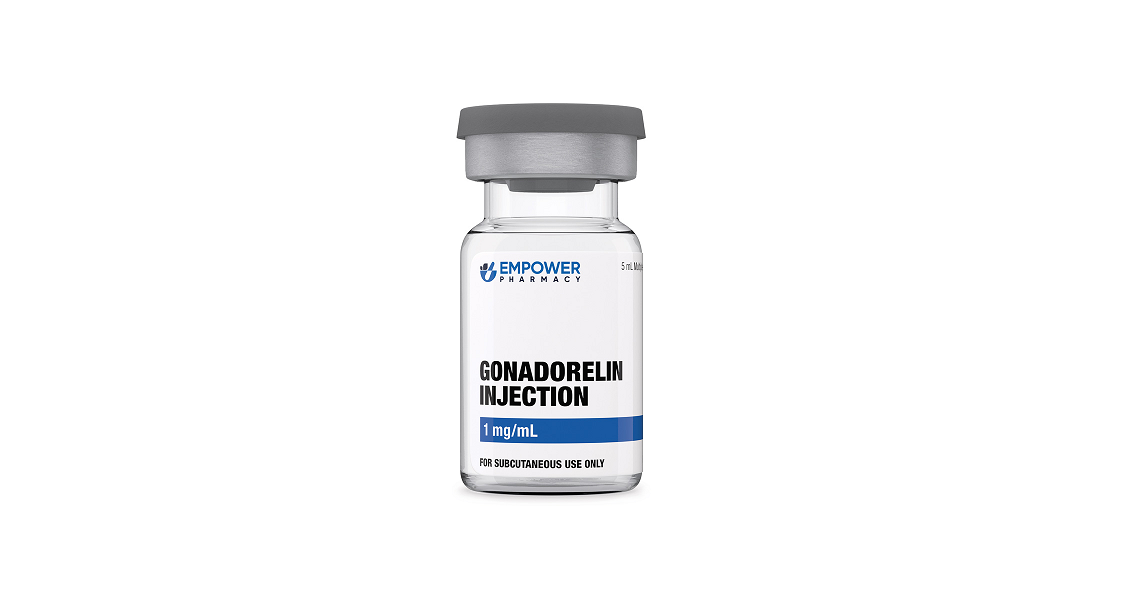
Introduction to Gonadorelin
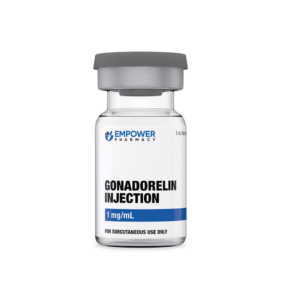
Gonadorelin is a synthetic form of gonadotropin-releasing hormone (GnRH), a naturally occurring hormone produced by the hypothalamus in the human brain. This hormone plays a critical role in regulating the reproductive system by stimulating the release of key hormones involved in fertility and sexual development. Gonadorelin is widely used in medical and clinical settings for diagnostic and therapeutic purposes, particularly in endocrinology and reproductive health.
Because of its precise mechanism of action, gonadorelin is valued by healthcare professionals for evaluating hormonal function and supporting specific treatment plans under medical supervision.
What Is Gonadorelin?
Gonadorelin is a laboratory-manufactured peptide that is chemically identical to the body’s natural gonadotropin-releasing hormone. Its primary function is to signal the pituitary gland to release two important hormones:
-
Luteinizing hormone (LH)
-
Follicle-stimulating hormone (FSH)
These hormones regulate reproductive processes in both males and females, including testosterone production, sperm development, ovulation, and estrogen regulation.
Unlike long-acting GnRH analogs, gonadorelin has a short half-life and mimics the body’s natural hormone pulses more closely, making it especially useful in diagnostic testing.
How Gonadorelin Works in the Body
Gonadorelin works by binding to GnRH receptors located in the anterior pituitary gland. Once bound, it triggers the release of LH and FSH into the bloodstream. These hormones then act on the gonads (testes in men and ovaries in women) to regulate reproductive hormone production.
In males, this process stimulates testosterone synthesis and supports sperm production. In females, it helps regulate ovulation and menstrual cycles. The effectiveness of gonadorelin depends on proper pituitary function, which is why it is often used to assess hormonal responsiveness.
Medical Uses of Gonadorelin
Diagnostic Applications
One of the most common uses of gonadorelin is in GnRH stimulation testing. This diagnostic procedure helps healthcare providers evaluate pituitary gland function and identify hormonal disorders such as:
-
Hypogonadotropic hypogonadism
-
Delayed puberty
-
Pituitary insufficiency
-
Certain fertility disorders
By observing how the body responds to gonadorelin administration, clinicians can determine whether hormonal imbalances originate in the hypothalamus or the pituitary gland.
Therapeutic Uses
In some clinical scenarios, gonadorelin may be used as part of a controlled treatment plan to support reproductive hormone regulation. These uses are always supervised by medical professionals and tailored to individual patient needs.
It is important to note that gonadorelin is not a general hormone replacement therapy but a specialized medical compound with specific indications.
Gonadorelin in Men’s Health
In men, gonadorelin is primarily associated with evaluating and supporting testosterone regulation. When the pituitary gland responds properly, gonadorelin stimulates LH release, which signals the testes to produce testosterone naturally.
This makes gonadorelin an important tool in diagnosing conditions related to low testosterone levels caused by pituitary or hypothalamic dysfunction rather than testicular failure.
Gonadorelin in Women’s Health
For women, gonadorelin plays a role in assessing ovulatory function and hormonal balance. By stimulating FSH and LH release, it helps clinicians understand how the ovaries respond to pituitary signaling.
This information is valuable when investigating irregular menstrual cycles, fertility challenges, or delayed puberty. As with men, all use is based on medical evaluation and supervision.
Administration and Dosage
Gonadorelin is typically administered via injection, either intravenously or subcutaneously, depending on the clinical purpose. Dosage and frequency vary based on diagnostic or therapeutic goals and must be determined by a qualified healthcare provider.
Because of its short duration of action, gonadorelin is often used in controlled clinical environments rather than for long-term self-administration.
Safety and Side Effects
When used appropriately under medical supervision, gonadorelin is generally well tolerated. However, like all medical compounds, it may cause side effects in some individuals.
Possible side effects may include:
-
Headache
-
Nausea
-
Flushing
-
Mild injection-site reactions
Serious adverse reactions are rare but should be addressed immediately by a healthcare professional. Gonadorelin should only be used by individuals for whom it has been prescribed or recommended by a licensed medical provider.
Legal and Regulatory Status
Gonadorelin is classified as a prescription-only medication in many countries. Its distribution, sale, and use are regulated by health authorities to ensure safety, quality, and appropriate medical oversight.
Patients and healthcare providers should always follow local regulations and guidelines regarding the handling and use of gonadorelin.
Storage and Handling
Proper storage is essential to maintain gonadorelin’s effectiveness. It is typically stored in a controlled temperature environment and protected from light. Specific storage instructions may vary depending on the formulation and manufacturer.
Healthcare providers and pharmacies are responsible for ensuring correct storage conditions to preserve product integrity.
Conclusion
Gonadorelin is a vital medical compound that closely mimics the body’s natural gonadotropin-releasing hormone. Its role in regulating LH and FSH release makes it an essential tool in diagnosing and managing reproductive and endocrine conditions in both men and women.
With its precise mechanism of action, short half-life, and clinical reliability, gonadorelin continues to play an important role in modern endocrinology. As with all hormone-related therapies and diagnostics, its use should always be guided by qualified healthcare professionals to ensure safety and effectiveness.
Reviews
There are no reviews yet.